
| Primary keyword | discreet intimate wellness products |
| Secondary keywords | intimate product privacy, discreet packaging, travel-friendly wearable, intimate wellness design |
| Suggested slug | privacy-is-a-product-feature-intimate-wellness |
| Meta title | Privacy as a Product Feature in Intimate Wellness | INTIMANEX |
| Meta description | From silhouette and sound to storage and education, privacy shapes how people choose, use and keep intimate wellness products in real life. |
| Search intent | Informational and product strategy |
| Quick answer: Privacy in intimate wellness is a whole-product concern. It includes visual discretion, sound, storage, packaging, communication, digital choices and the user’s ability to decide who knows what. |
A discreet box is helpful, but it is not the same as a private product experience.
People make Intimate Wellness decisions in real homes, shared bathrooms, hotel rooms, luggage, bedrooms and online shopping environments.
Different privacy levels affect whether someone feels comfortable exploring a product.
It also affects where they keep it and whether they can use it without unnecessary attention.
Privacy starts with dignity and agency
Sexual health is connected to respect, safety and freedom from discrimination. Privacy supports that principle by giving people more control over personal information and personal choices. This does not mean intimate wellness products should be hidden or treated as shameful. It means the user should decide when, where and how the product enters their life.
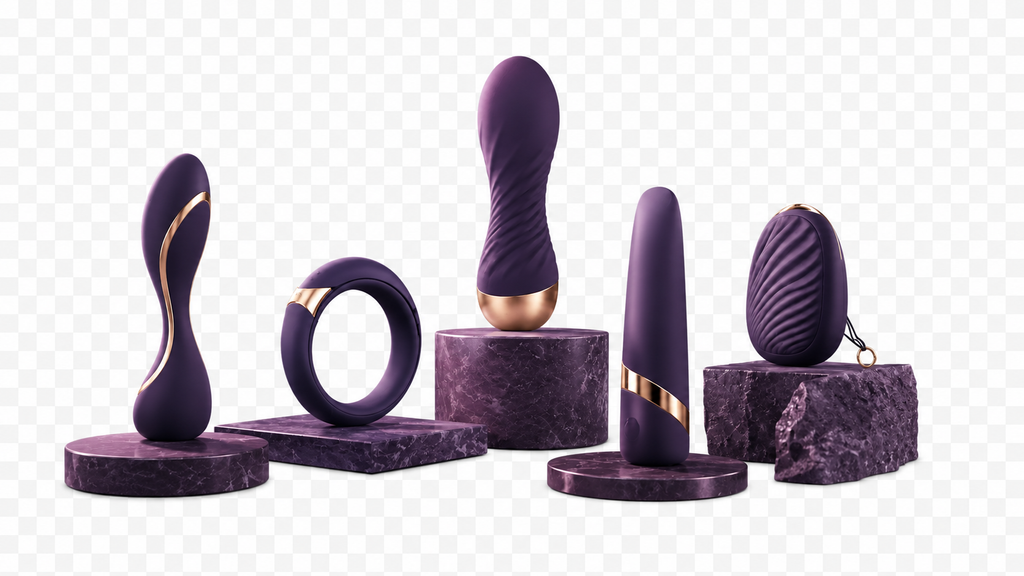
That distinction is important for brand language. A product can be discreet without being secretive. It can be visually calm and lifestyle-led without pretending that intimate use does not exist. The goal is to reduce unwanted exposure, not to reinforce embarrassment.
Five layers of product privacy
A privacy-led brief should consider the full journey rather than focusing only on delivery packaging. Each layer creates a different design opportunity.
- Visual privacy: a silhouette, color palette and retail presentation that do not force the user to explain the product.
- Acoustic privacy: a considered approach to operating sound and feedback in shared or quiet spaces.
- Storage privacy: a travel case or home-storage solution that protects the product and supports orderly care.
- Information privacy: clear, respectful education that can be read without sensational or judgmental language.
- Digital privacy: transparent choices around connectivity, permissions, data and account requirements when technology is involved.
Discretion should not make the product harder to understand
There is a common trade-off in discreet design: the more a product resembles an ordinary lifestyle object, the harder it may be for a new user to understand. That is a communication problem, not a reason to abandon discretion. Product education can bridge the gap with plain-language diagrams, clear controls, care instructions and an honest explanation of intended use.
The best discreet products are not mysterious. They are easy to orient, easy to operate and easy to care for. Their visual restraint works together with informative content rather than replacing it.
Privacy is especially important across markets
Privacy expectations vary by household, culture, retail channel and legal environment. A product designed for modern wellness retail may need a different visual and packaging strategy from one sold through a specialist channel. The same product may also require different claims, labeling or digital disclosures in different markets.
This is why privacy should appear in the product brief alongside audience, price, channel and compliance requirements. It is not a final packaging adjustment. It influences form language, accessories, content hierarchy and the relationship between the brand and the customer.
What this means for product teams
- Map privacy touchpoints from discovery to storage, not only from checkout to delivery.
- Use discreet form language without removing essential product education.
- Treat sound, storage and digital choices as part of the privacy brief.
- Adapt privacy and claim strategies to the intended market and channel.
Frequently asked questions
What makes an intimate wellness product discreet? Discretion can involve visual form, sound, packaging, storage, education and digital behavior. No single feature defines it for every user or market.
Does discreet design mean the product should look anonymous? Not necessarily. A product can have a distinctive, lifestyle-led identity while still avoiding unnecessary exposure or stigma.
Why should privacy be considered during product development? Because privacy affects product form, accessories, packaging, content, retail fit and user confidence. Waiting until the end limits the available solutions.
| Health note: This article is for general education and does not replace medical advice. Seek qualified medical care for persistent pain, bleeding, skin reactions, unexplained changes in sexual function, or concerns about sexually transmitted infections. |
INTIMANEX helps brands connect form, materials, accessories, packaging and product education into one coherent proposition—so discretion can be designed into the experience from the start.